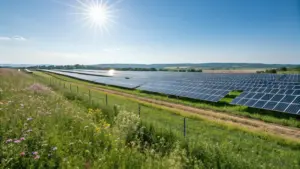
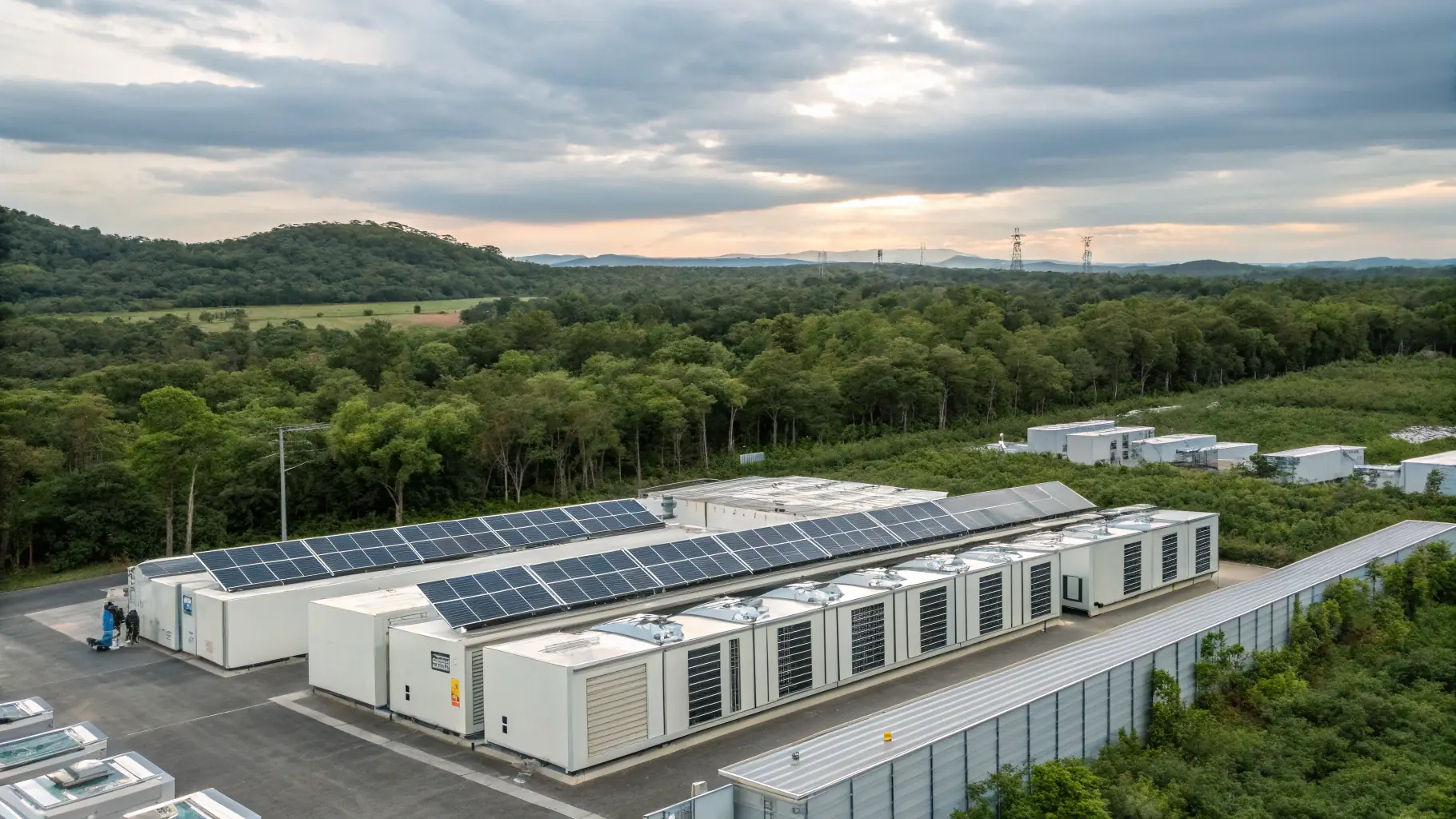
The future of energy storage is bright, with a number of exciting innovations and trends on the horizon. One key trend is the development of new battery chemistries that offer higher energy density, longer lifespans, and improved safety. These advancements will make BESS more efficient and cost-effective, driving further adoption across a range of applications. Another trend is the integration of BESS with other energy technologies, such as solar and wind, to create hybrid systems that provide a more reliable and sustainable source of power.
Another area of innovation is in the development of advanced control systems and software that can optimize the performance of BESS. These systems can predict energy demand, manage battery charging and discharging, and provide grid services such as frequency regulation. By optimizing the operation of BESS, these systems can help to reduce energy costs and improve grid stability. Furthermore, the rise of artificial intelligence and machine learning is enabling even more sophisticated control strategies that can adapt to changing market conditions and optimize performance in real-time.
Looking ahead, the future of energy storage will be shaped by a number of factors, including government policies, technological advancements, and changing consumer demand. As the world transitions to a cleaner energy future, energy storage will play an increasingly important role in ensuring a reliable and sustainable energy supply. By staying informed about the latest innovations and trends, investors, developers, and policymakers can help to accelerate the adoption of energy storage and unlock its full potential.